Bhubaneswar, Odisha, India
+91-8328865778
support@softchief.com

Blog

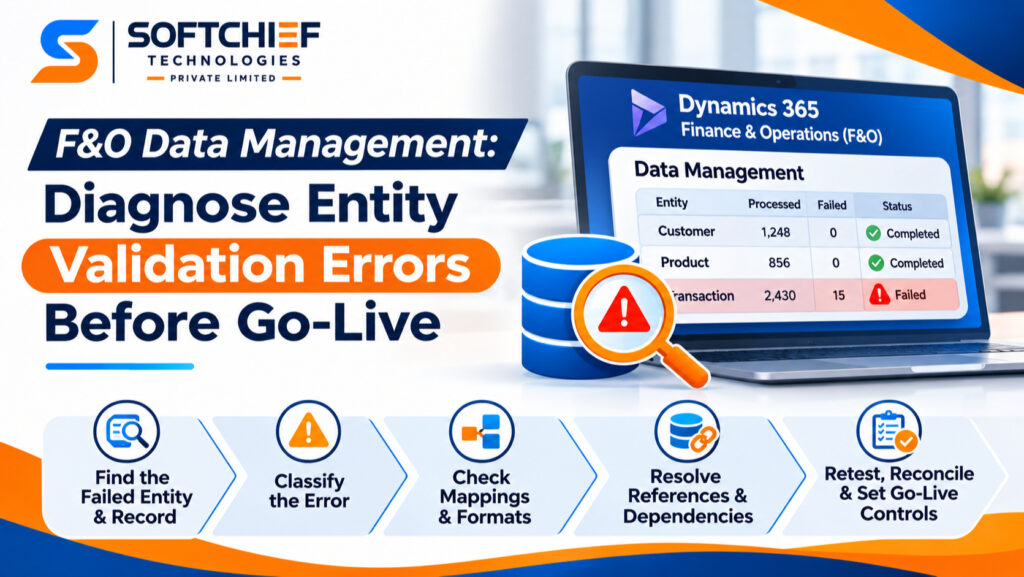
F&O Data Management: Diagnose Entity Validation Errors Before Go-Live

Introduction One failed customer, product, or transaction record can stop an import or leave data incomplete. In F&O Data Management, entity validation errors can point to missing values, bad mappings, or rules in the target application. The message is a clue, but it may not identify the original cause. A reliable diagnosis starts before cutover.…
Read more
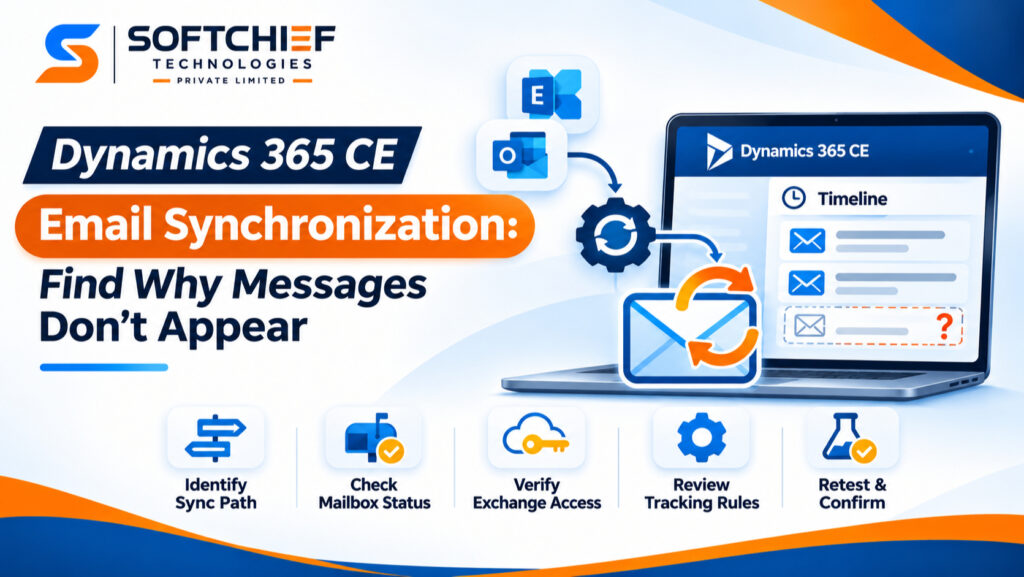
Dynamics 365 CE Email Synchronization: Find Why Messages Don’t Appear

Introduction A missing email can leave a customer conversation off a Dynamics 365 CE timeline, keep it out of a queue, or prevent it from appearing as a tracked activity. The cause may be in Exchange, a mailbox setting, or the way the message was expected to reach a record. Email synchronization can use server-side…
Read more

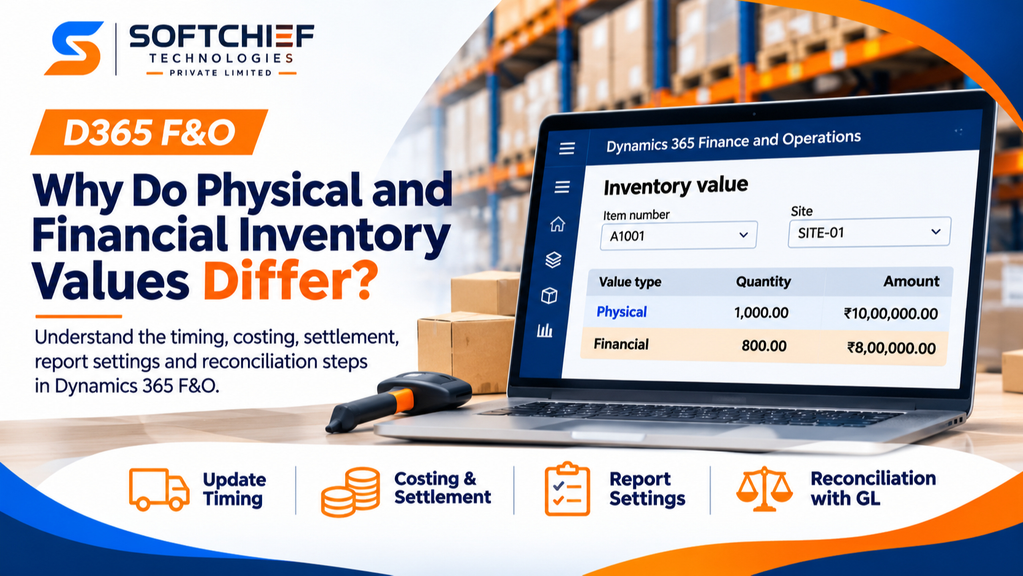
Dynamics 365 F&O inventory values and transaction review

Introduction A purchase receipt can raise on-hand inventory today while its vendor invoice arrives later. In D365 F&O, that timing can leave physical inventory values different from financial inventory values, even when the transactions are correct. A difference doesn’t automatically mean an error. It may come from update timing, costing and settlement, report settings, or…
Read more

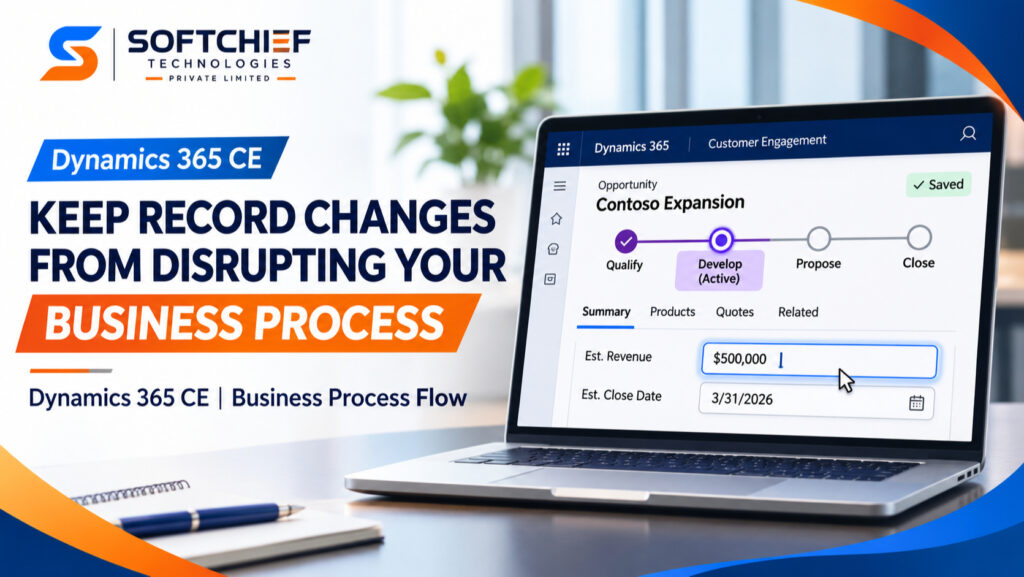
Dynamics 365 CE: Keep Record Changes From Disrupting a Running Business Process

Introduction A user edits an opportunity while its business process flow (BPF) is active. Will the edit save, move the process to another stage, or disrupt the path? In most cases, changing a record field updates the record; it doesn’t automatically advance or restart the BPF. The key is to separate business data from process…
Read more

Power Automate for Beginners: Build a Flow That Emails New Contacts

Introduction A contact lands in your CRM, but someone still has to send a welcome email. Power Automate can handle that step for you, along with tasks like copying data between apps, routing approvals, and sending reminders. Its visual tools help you build many workflows with little or no code. This beginner’s guide explains the…
Read more

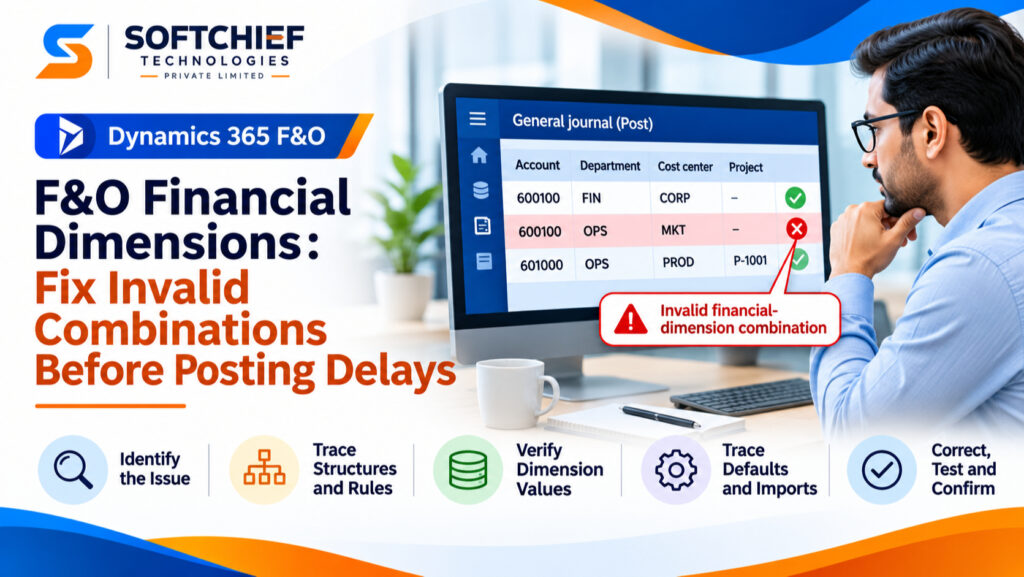
F&O Financial Dimensions: Fix Invalid Combinations Before Posting Delays

Introduction A journal line can look complete and still fail because its account and financial dimensions aren’t allowed together. When F&O financial dimensions block journal posting, close tasks, payments, and other finance work can stall. The fastest way to find the cause is to trace the error from the journal line back to the rules…
Read more

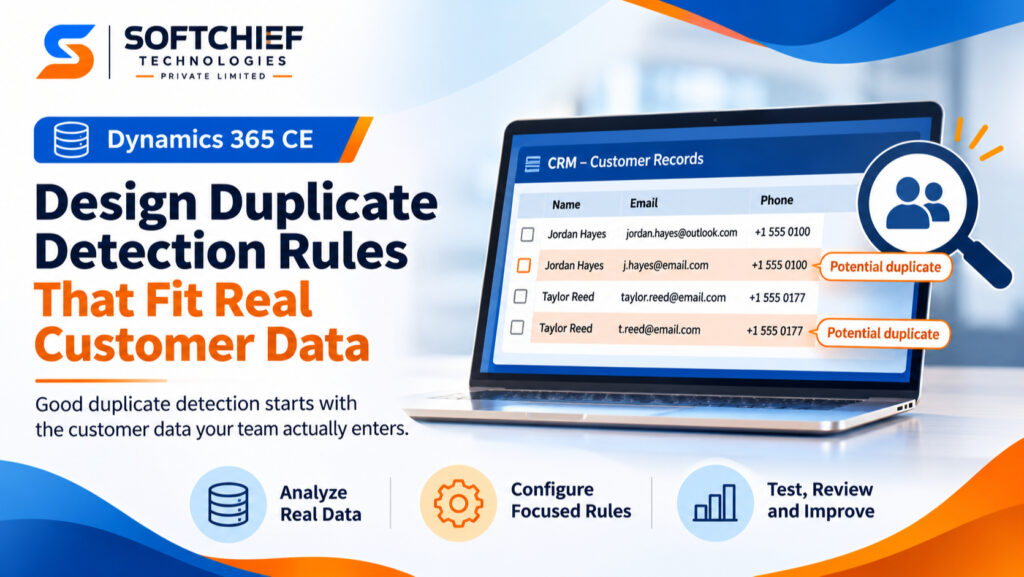
Dynamics 365 CE: Design Duplicate Detection Rules That Fit Real Customer Data

Introduction One customer appears under two email addresses. Another has the same name as a relative. In Dynamics 365 CE, duplicates like these can split interaction histories, skew reports, and leave staff unsure which record to update. Well-designed duplicate detection rules can help teams spot likely matches before those problems spread. Real customer data rarely…
Read more

Build a Power Apps Canvas App for Expense Tracking

Introduction A pile of expense records in a table can be hard to review on a phone or tablet. A Power Apps canvas app gives you a simple way to enter costs and check saved expenses from a clear screen. This example uses Microsoft Dataverse to store personal expenses. You’ll create a table with Copilot,…
Read more

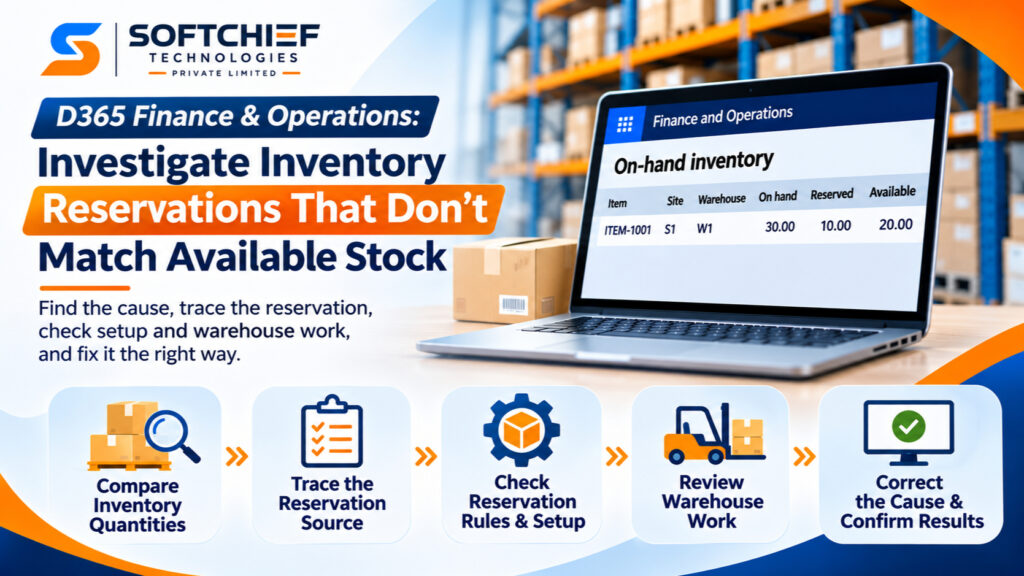
D365 Finance & Operations: Investigate Inventory Reservations That Don’t Match Available Stock

Introduction A sales line can show stock on hand and still fail reservation, or a reservation can appear larger than the available quantity. In D365 Finance & Operations, “on hand,” “available,” and “reserved” describe different inventory measures, so their totals may not match. Before changing stock or releasing a reservation, compare the same item, dimensions,…
Read more

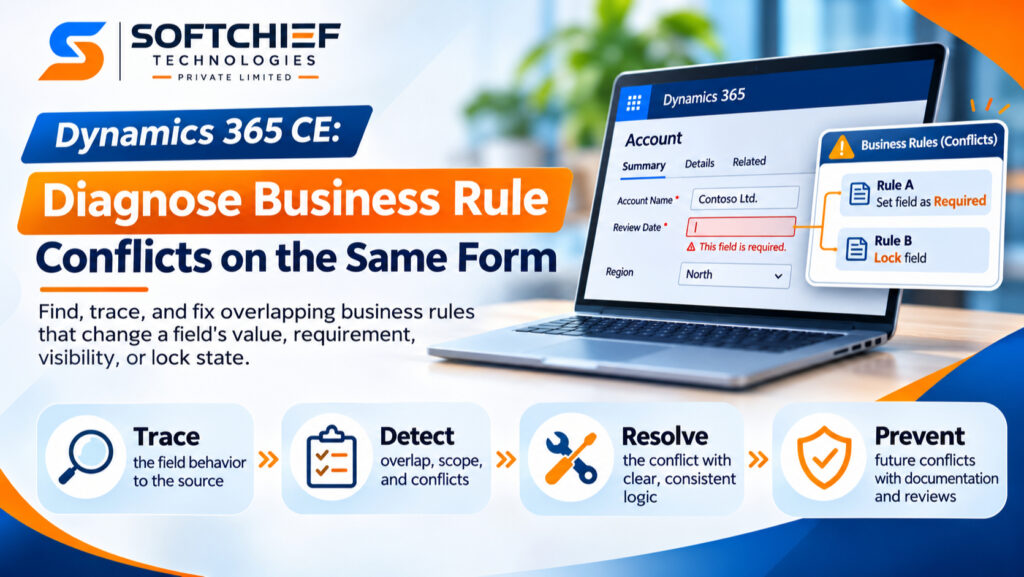
Dynamics 365 CE: Diagnose Business Rule Conflicts on the Same Form

Introduction A field on a Dynamics 365 CE form becomes required, disappears, locks, or changes value without warning. When several business rules affect that field, it can be hard to tell which one caused the change. Often, no rule is broken; overlapping conditions and actions are producing competing results. This can confuse users and lead…
Read more

THE AI AGENT REVOLUTION: WHAT MICROSOFT PROFESSIONALS NEED TO KNOW THIS WEEK

SOFTCHIEF LEARN | THE WEEKLY TECH BRIEFEdition 001 | 31 October 2026 From intelligent assistants to enterprise-ready AI agents: understanding Microsoft’s latest developments. Welcome to the first edition! Artificial Intelligence is moving beyond answering questions and generating content. The next stage is about AI agents that can understand business objectives, use tools, interact with enterprise…
Read more

Turning a Project into a Portfolio Piece That Shows What You Can Do

Introduction Finishing a project and showing its value are two different tasks. The deliverable shows what you made; a strong portfolio piece explains the thinking, choices, and work behind it. Turning a project into a portfolio piece takes more than adding a few images to a page. You need a clear story that connects the…
Read more

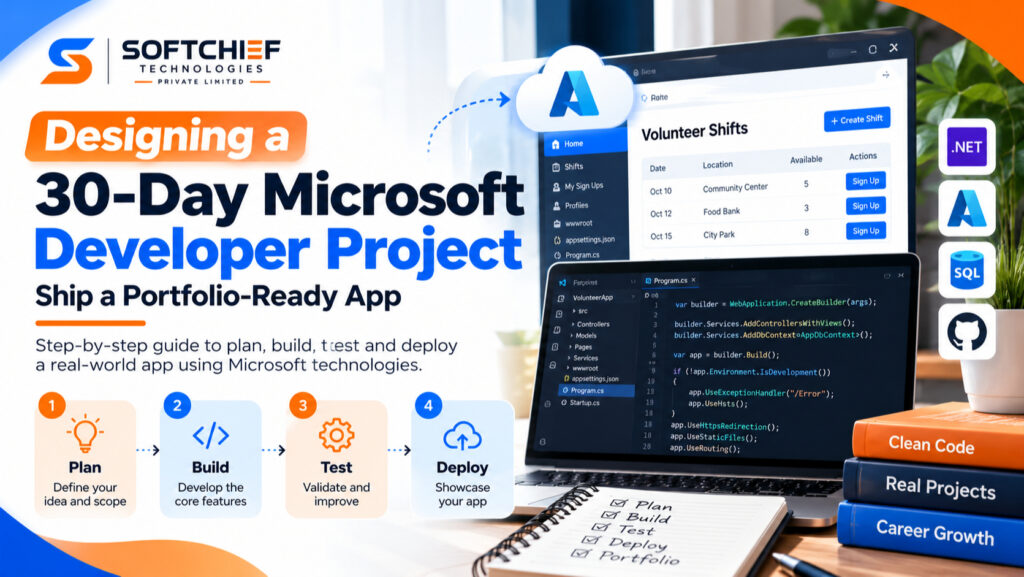
Designing a 30-Day Microsoft Developer Project: Ship a Portfolio-Ready App

Introduction A promising idea can turn into a half-built app fast. Designing a 30-day Microsoft developer project gives you a clear deadline and a practical goal: finish one working app, not a platform built for thousands of users. A focused project can sharpen your coding skills and give you a portfolio piece you can explain.…
Read more

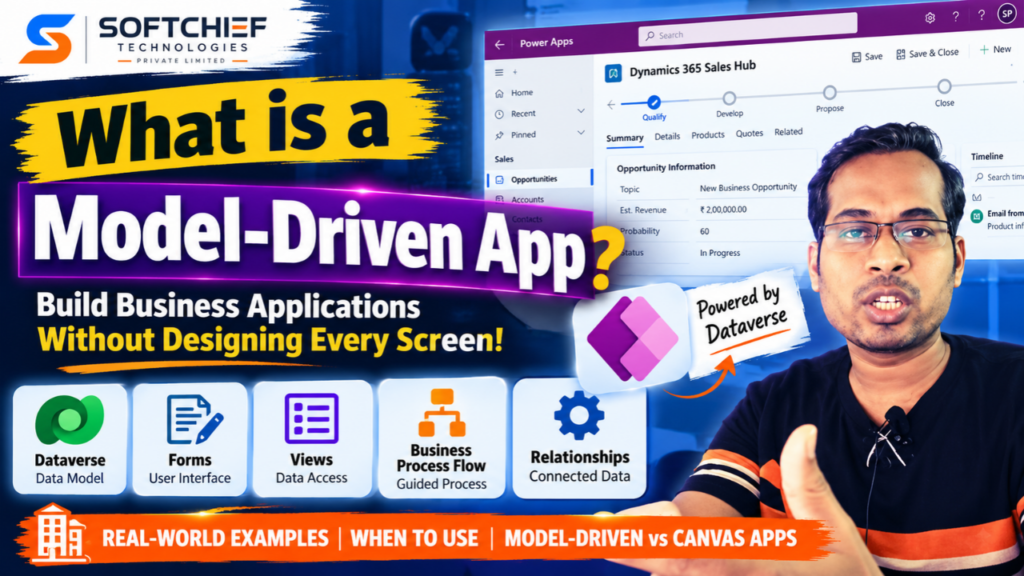
Microsoft Power Apps Model-Driven Apps: Plan Apps Around Business Data

Introduction A 500-person company may need to track employees, departments, managers, start dates, leave, and more. Building every screen, form, button, and menu from scratch could take a lot of time. Microsoft Power Apps model-driven apps offer another route: define the business data in Dataverse, then build an app around that structure. This data-first approach…
Read more

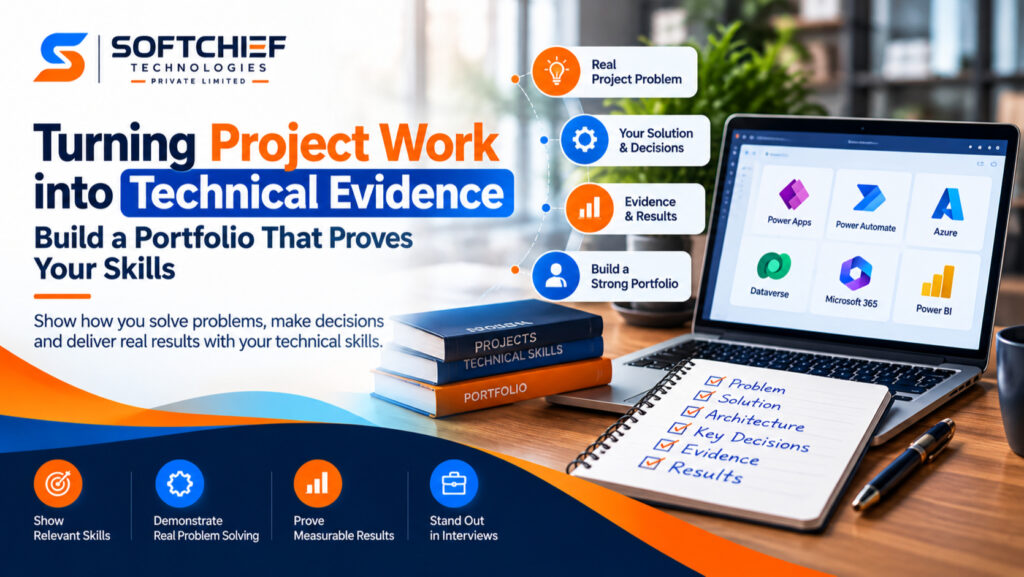
Turning Project Work into Technical Evidence: Build a Portfolio That Proves Your Skills

Introduction A skills list can say you know Python, CAD, data analysis, or cloud tools. It can’t show how you used them when a deadline, budget, or technical limit got in the way. Turning project work into technical evidence gives people a clearer view of how you solve problems, make choices, and check your results.…
Read more

How to Present a Microsoft Technology Project in an Interview

Introduction A slow approval process, a hard-to-find report, or repeated data entry can cost a team time and frustrate users. When presenting a Microsoft technology project in an interview, start with the need you addressed and why it mattered. Clear stakes help the interviewer understand the work without inflating its impact. Then name the Microsoft…
Read more

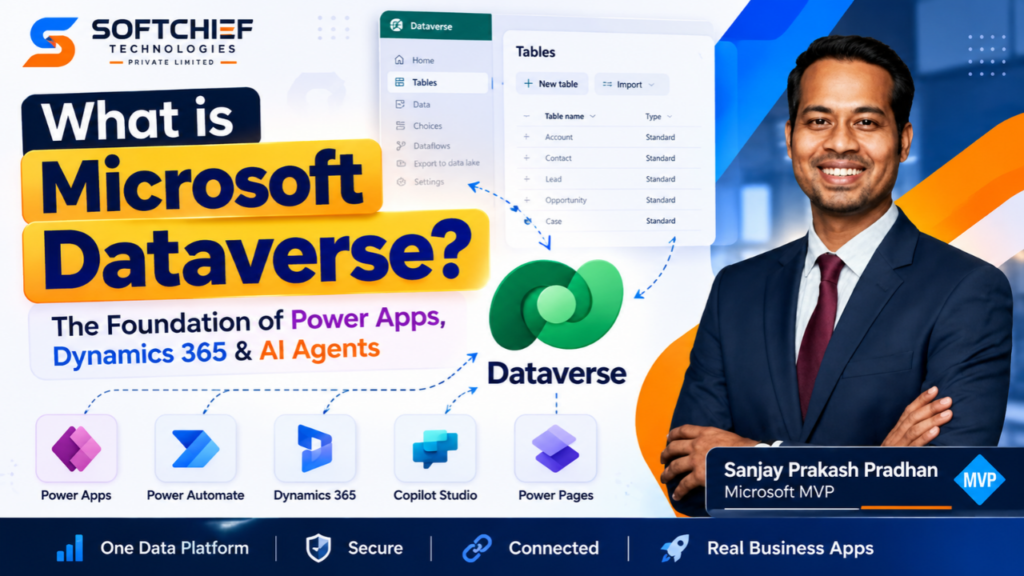
Microsoft Dataverse: Organize and Protect Business Data in One Place

Introduction A customer record, a service request, and an invoice may belong to the same business process. Microsoft Dataverse gives teams a cloud platform to store and manage these kinds of business data in one place. It also provides tools for linking records, applying business logic, and controlling access. Dataverse is used with Microsoft business…
Read more

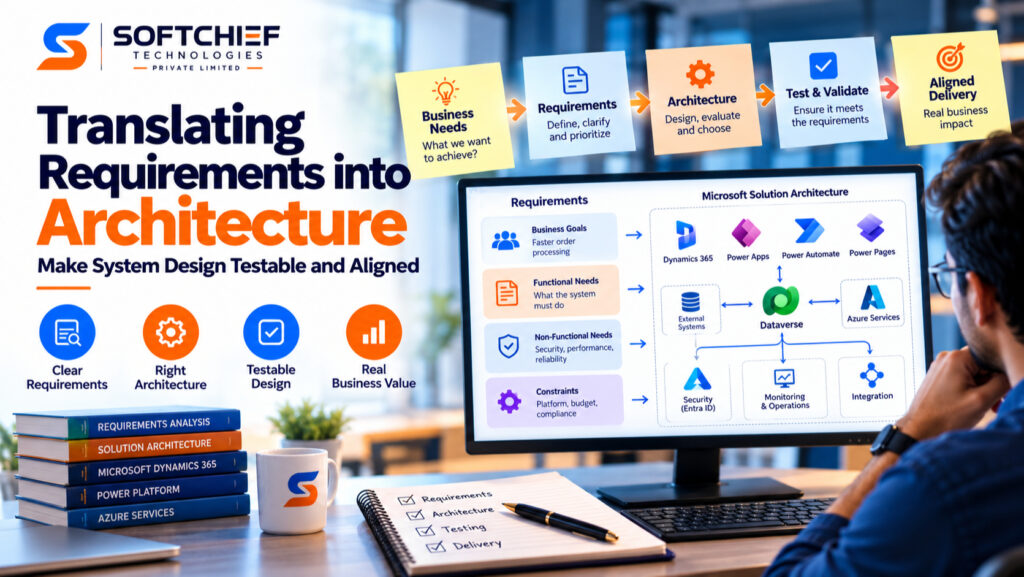
Translating Requirements into Architecture: Make System Design Testable and Aligned

Introduction A system can pass every feature test and still disappoint the people who depend on it. If it slows down during peak use, exposes sensitive data, or costs too much to change, the design missed a need that mattered. Translating requirements into architecture means turning goals and system needs into decisions a team can…
Read more

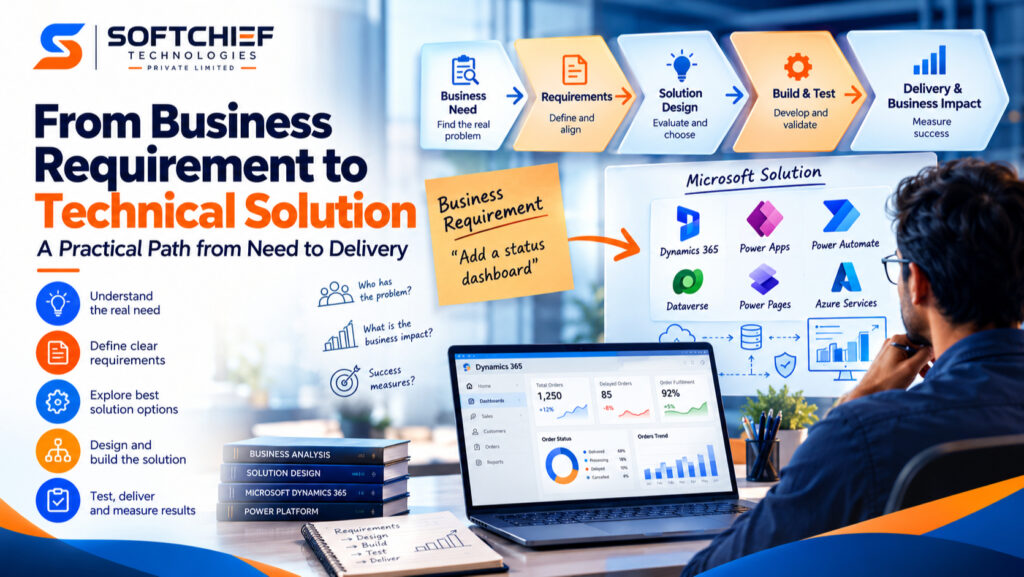
From Business Requirement to Technical Solution: A Practical Path from Need to Delivery

Introduction A request for a new feature can sound clear: “Add a status dashboard.” But the real need may be to help staff spot delayed orders before customers call. Moving from business requirement to technical solution means finding that need, agreeing on how to measure success, and choosing an approach that addresses it. Teams often…
Read more
From Developer Skills to Enterprise Solutions: Build Software That Delivers Business Impact

Introduction A feature can pass every test and still fail the people who depend on it. Moving from developer skills to enterprise solutions means building software an organization can trust, scale, secure, and maintain. That shift asks you to look beyond code. Technical choices affect customer needs, business goals, daily operations, security risks, budgets, and…
Read more

Enterprise Microsoft Technology Stack: Design a Connected, Governable Platform

Introduction When Microsoft tools support email, cloud hosting, security, and business apps, disconnected setups can create extra work and gaps in oversight. An enterprise Microsoft technology stack connects those services around shared business goals. This guide explains its main layers, how they work together, and what to assess before choosing products. There’s no required configuration:…
Read more

Azure Production Architecture Checklist: Launch with Clear Reliability and Recovery Targets

Introduction An Azure workload can run well in testing and still fail when real users arrive. An Azure production architecture must handle service failures, protect data, scale with demand, and give the operations team clear ways to spot and fix problems. Use this checklist to review decisions before launch, including identity, networking, recovery, deployment, monitoring,…
Read more

Reviewing Azure Application Architecture to Find Risks Before They Become Incidents

Introduction An Azure application can appear healthy while its design hides risks: a database with no tested restore plan, an exposed service, or a costly scaling setup. Reviewing Azure application architecture helps teams find these issues before they cause outages, security problems, or expensive changes. A useful review looks beyond resource settings. It checks how…
Read more

What Is Dynamics 365 Customer Engagement? Follow a Lead from Inquiry to Support

A product inquiry sits in a spreadsheet, a complaint lives in an inbox, and a manager checks a separate report. When customer details are split across tools, teams can miss follow-ups, repeat work, and give customers inconsistent answers. Dynamics 365 Customer Engagement (CE) connects apps and capabilities that help organizations manage customer relationships and customer-facing…
Read more

AI Agent Data Access Governance: Control What Agents Can See and Do

Introduction An AI agent can read a support ticket, search company files, and update a customer record in one workflow. That reach makes AI agent data access governance more than a question of which data an agent can see. It must also control what the agent can do with that data. Broad permissions can expose…
Read more

Securing Enterprise Data for AI Agents: A Practical Framework to Reduce Risk

Introduction An AI agent can find a contract, summarize its terms, and start a follow-up task in minutes. Securing enterprise data for AI agents means keeping that speed without exposing private records or granting access the agent doesn’t need. Unlike a basic chatbot, an agent can retrieve data, use connected tools, and complete several steps…
Read more